Epoxy vs. Polyaspartic Garage Floors: Which Is Better for NJ Coastal Homes?
Homeowners in Spring Lake, NJ, face specific challenges when choosing a garage floor coating. Salt air, high humidity, and seasonal temperature swings are everyday realities this close to the Atlantic. The coating you choose needs to handle all of that without peeling, yellowing, or wearing out too soon. Whether you are weighing garage epoxy flooring or a polyaspartic system, understanding the differences between these two popular options can help you make a confident decision before any work begins.
What Is Garage Epoxy Flooring and How Does It Work?
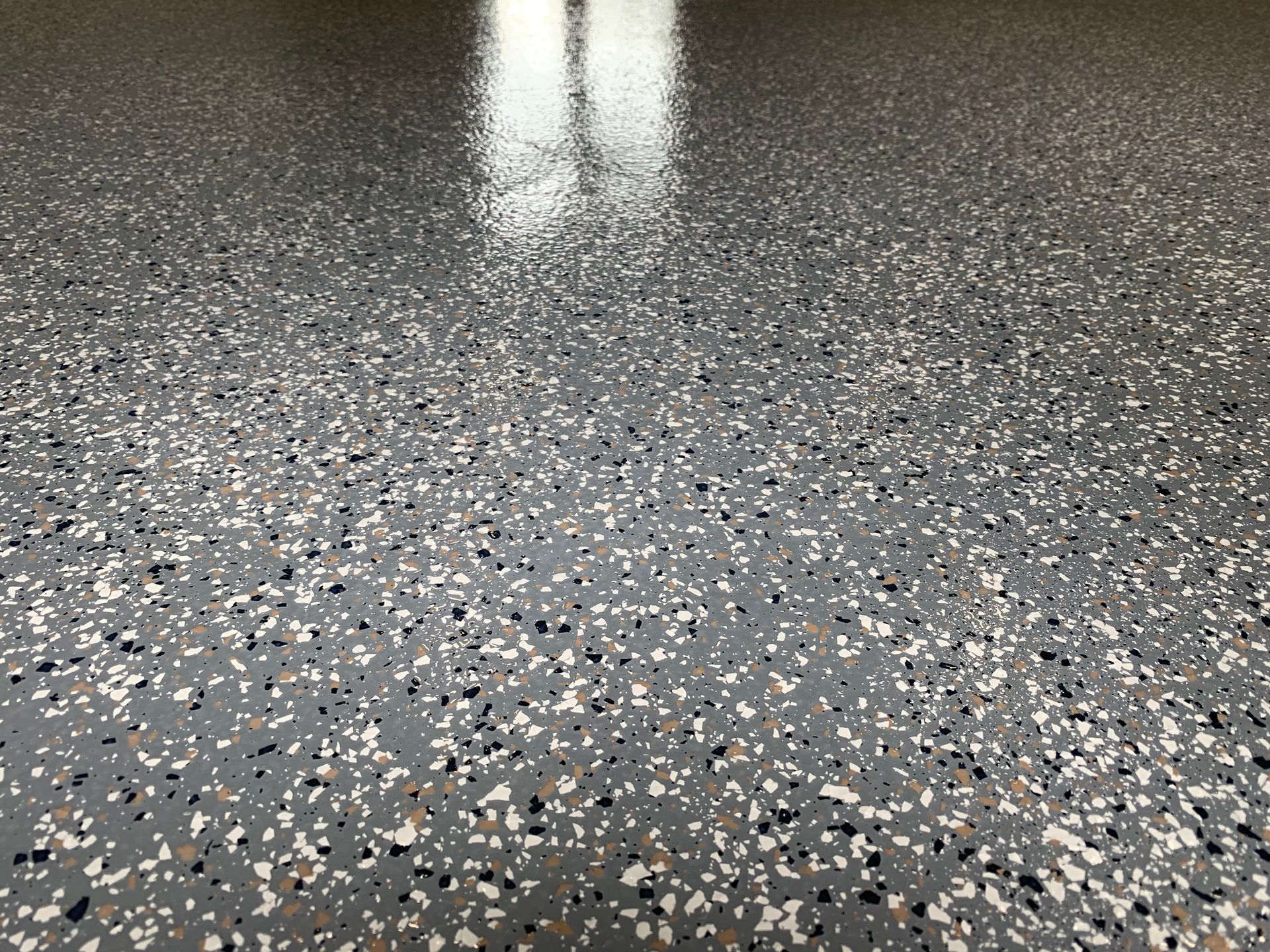
Epoxy is a floor coating made from two parts: a resin and a hardener. When mixed and applied to prepared concrete, they bond to create a hard, protective surface. Epoxy coatings are known for durability and chemical resistance, and they come in a wide range of colors and finishes for a polished garage look.
The challenge for coastal homes is moisture sensitivity during application. In Spring Lake, NJ, where summer humidity runs high and salty ocean air drifts inland, improper installation can lead to peeling or bubbling. When professionally installed under the right conditions, garage epoxy flooring provides a long-lasting surface, but prep and timing matter greatly.
Epoxy also requires several days to fully cure, leaving your garage unusable throughout that period. For homeowners who depend on their garage daily, that downtime adds up.
What Makes Polyaspartic Coatings Different?
Polyaspartic is a newer coating technology that outperforms traditional epoxy in several key areas. It cures through a chemical reaction that creates a tight molecular bond with concrete, and it resists UV rays, chemicals, moisture, and humidity, all meaningful advantages for NJ Shore properties.
Cure time is one of the biggest differences. Polyaspartic can be applied and cured within a single day, even in cold weather, so your garage is back in service the same day the work is done.
UV resistance matters equally along the coast. Unlike epoxy, polyaspartic does not yellow or fade when exposed to sunlight, making it the preferred choice for garages with windows or partial outdoor exposure. Many Spring Lake and Sea Girt homes have garages that receive strong afternoon sun from the south and west.
Polyaspartic also holds up better through freeze-thaw cycles. It resists fading, peeling, and cracking, staying flexible enough to expand and contract with the weather. A rigid coating is more likely to crack or delaminate under the stress of NJ winters.
Which Coating Is Better for Coastal NJ Homes?
Coastal properties benefit most from polyaspartic coatings. Spring Lake, NJ, sits right in the zone where moisture, salt air, and humidity present unique challenges for floor coatings from spring through fall.
Garage epoxy flooring in Spring Lake, NJ, can still be a smart, cost-effective choice for attached garages with minimal sun exposure and controlled conditions. If your garage is interior-facing, shaded, and you can plan for the multi-day cure window, epoxy can perform well for years.
That said, if your garage gets direct light, sits close to the water, or you want the fastest return to use, polyaspartic is the stronger long-term investment, especially if longevity, UV resistance, and performance in demanding conditions are priorities.
Preparing Your Garage Floor Before Any Coating
Proper surface preparation is the most important step regardless of which system you choose. A floor that has not been correctly prepared will cause any coating to fail early. Professional prep typically involves:
- Checking the concrete for cracks, chips, or previous coatings that need removal.
- Testing for moisture vapor transmission, especially critical in coastal zip codes like Spring Lake's 07762.
- Diamond grinding or shot blasting the surface to open the concrete's pores for a strong bond.
- Cleaning the slab completely before any product is mixed or applied.
One note on polyaspartic: warm temperatures and humidity accelerate hardening, which decreases the available time to wet out the prepared concrete. An experienced installer who works regularly in Shore-area conditions will know how to manage this correctly.
Does Polyaspartic Cost More Than Epoxy?
Yes, polyaspartic typically carries a higher upfront cost. The materials are more advanced and the installation window is tighter, requiring a more skilled crew. However, its longer lifespan and lower maintenance needs can offset that difference over time. Contact us for a free quote to compare options for your specific garage.
Can Either Coating Handle Hot Tire Marks?
Garage epoxy flooring can be vulnerable to hot tire pickup, especially in summer. Polyaspartic coatings generally resist this better due to their flexibility and stronger molecular bond with the concrete. If your vehicle sits in the garage after a long drive on a hot NJ day, this is worth factoring into your decision.
Get the Right Coating for Your Spring Lake Garage
Choosing between epoxy and polyaspartic comes down to your garage's conditions, how much sun it gets, and how quickly you need it back in service. For most Shore-area homes, polyaspartic offers real advantages. For sheltered, lower-traffic spaces, garage epoxy flooring remains a solid, proven option.
Joel The Painter serves the Spring Lake, NJ, area with professional floor coating services built for the coastal environment. To explore your options and get a free quote, visit the epoxy floor coating service page or contact us directly. You can also find and review us on Joel The Painter. Call (848) 466-5045 to schedule your consultation today.